Our results
Social decarbonization metric

0 kg of CO2 saved this year
How do we calculate the carbon emissions?


Our producers are working according to the following agricultural principles:
- Rotación de cultivos
- Policultivos
- Agroforestería
- Cultivos de cobertura
- Pastoreo rotacional
Which enables us to provide you the best quality products.

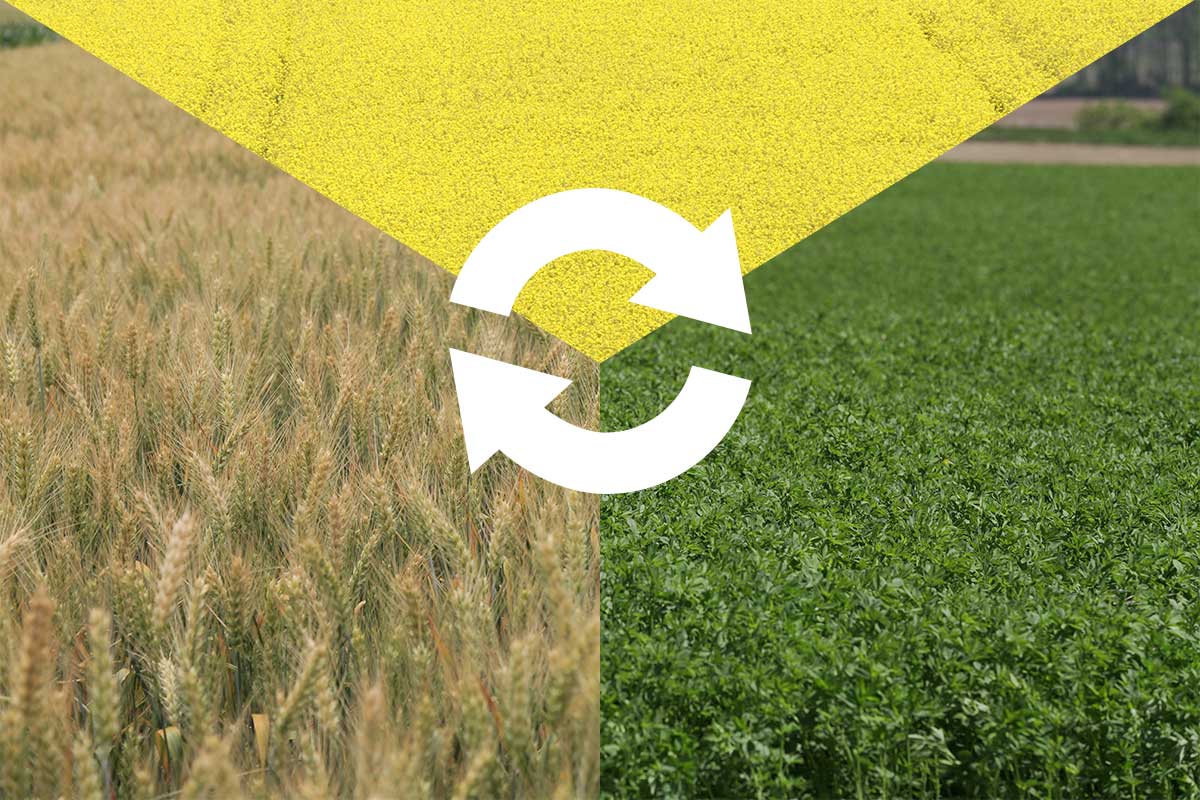
Crop rotation By cultivating multiple crops and rotating plots year after year, we add nutrients to the soil and minimize pests and diseases.
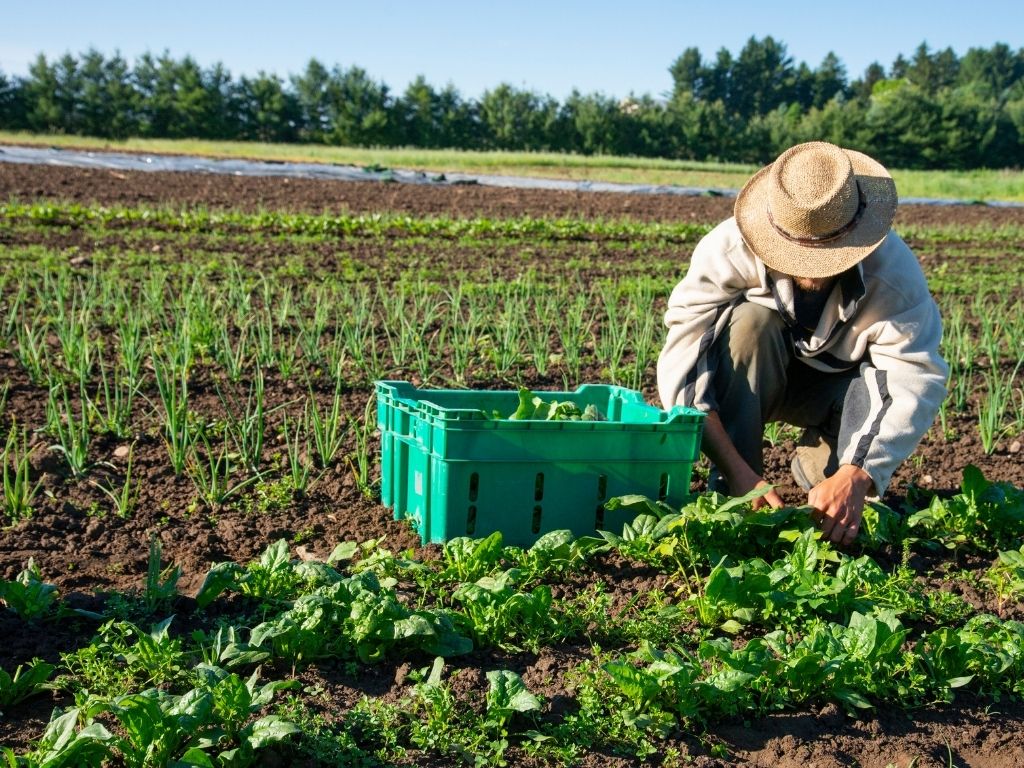
Agroforestry We combine trees, herbaceous crops and animals to create a multi-layered system. Each layer hosts different species that complement each other for optimal biodiversity.
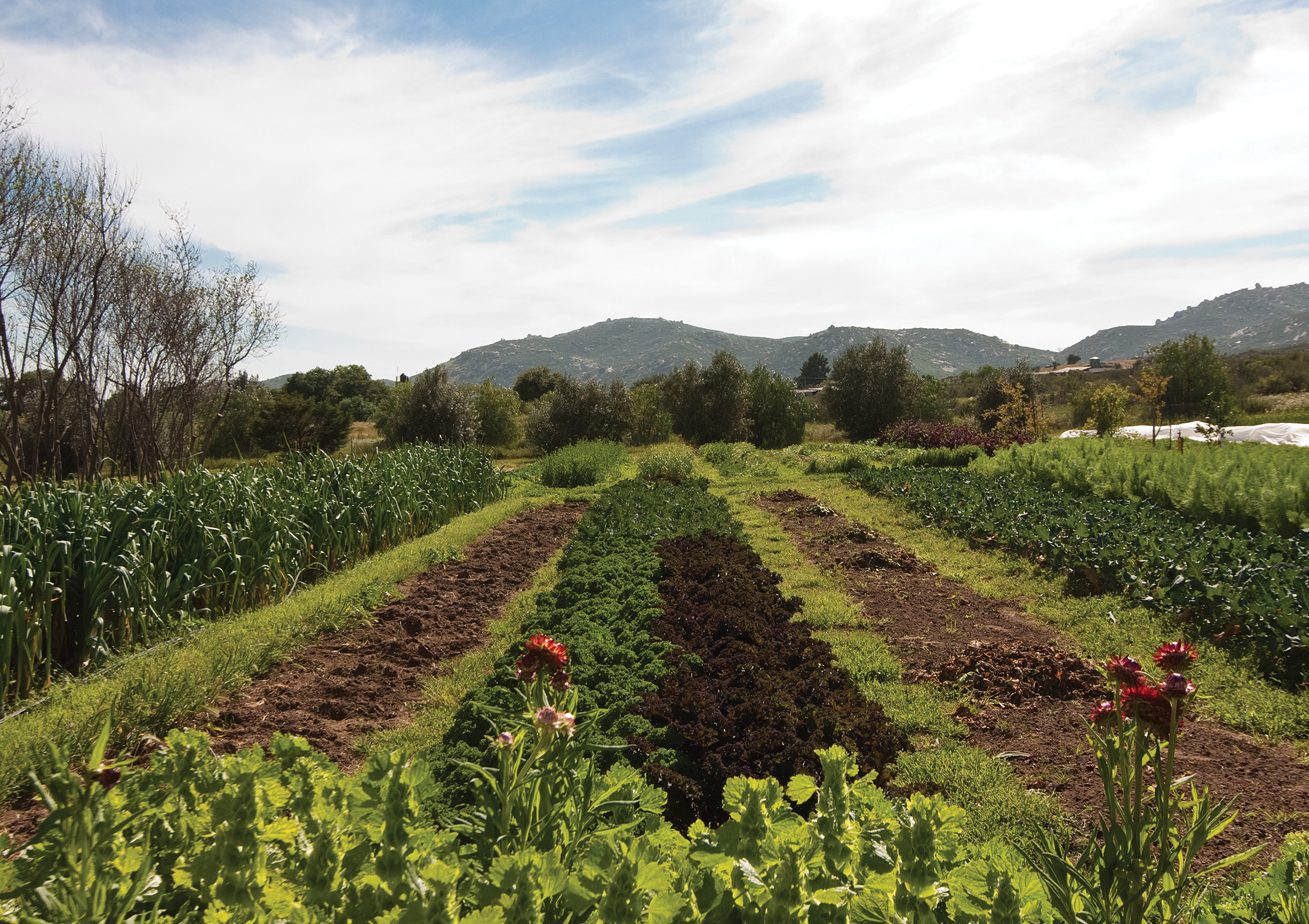
Cover crops We combine trees, herbaceous crops and animals to create a multi-layered system. Each layer hosts different species that complement each other for optimal biodiversity.
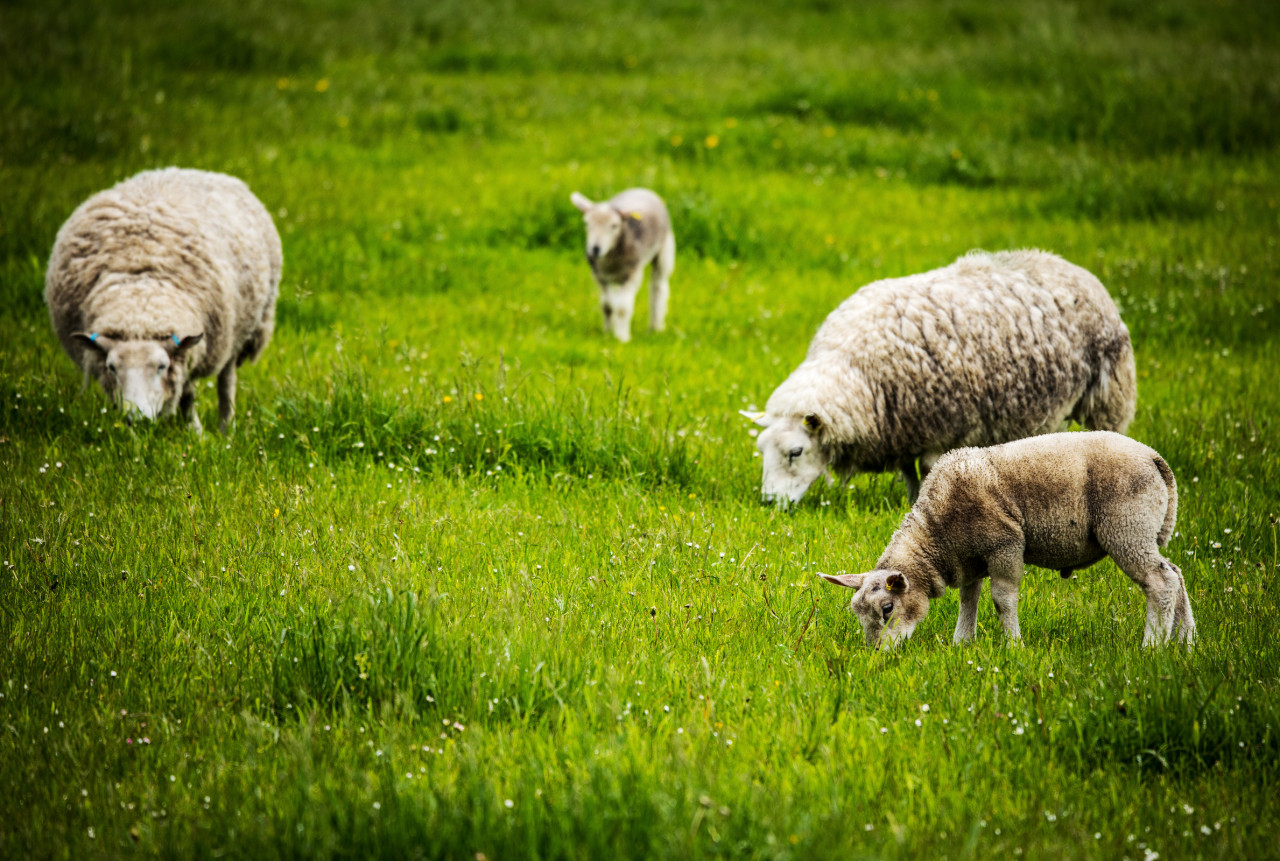
Rotational grazing We graze livestock between two crops. This improves soil quality and biomass production.

- Impact in the climate (carbon oil)
- Use of pesticides
- Biodiversity
- Animal Bienestar
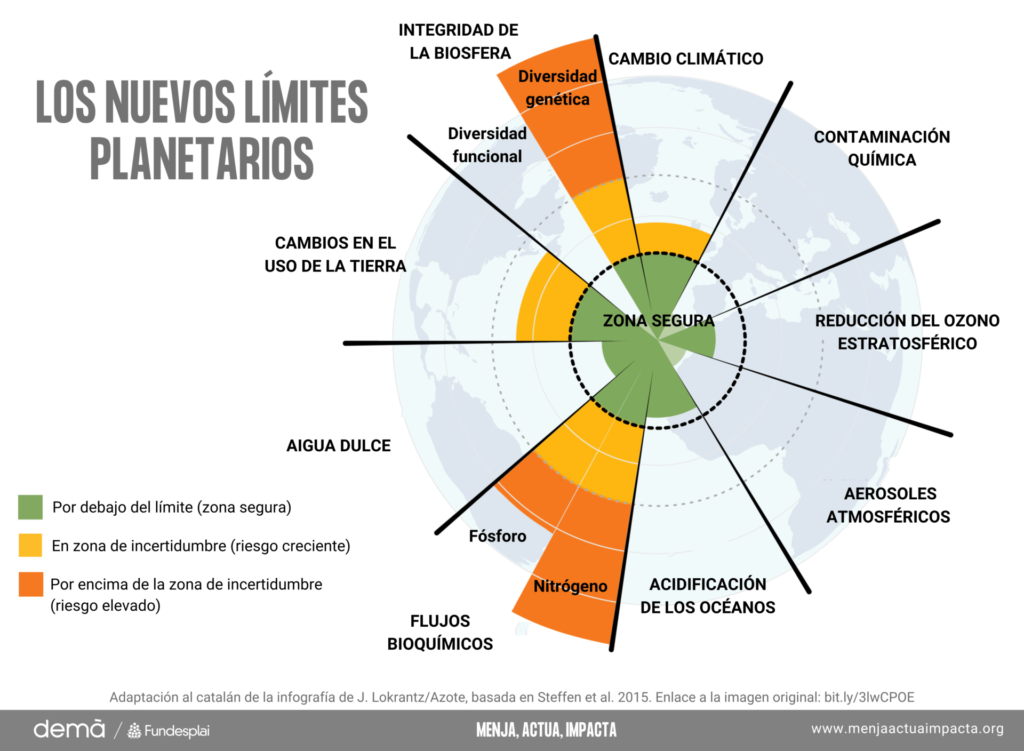
The scientific concept of “planetary limits” is the way to work on the sustainability of activities in environmental terms, and therefore it is also key to the guidelines and the calculation methodology of the Planet-Score label.
Carbon
The greenhouse emissions at a farm are the followings:
- Direct emissions (Scope 1): Fossil fuels used in machinery, internal transport, enteric fermentation (if livestock is present), and emissions from agricultural soils due to the application of nitrogenous fertilizers.
- Indirect emissions (Scope 2): Electricity used in greenhouses, irrigation, cold storage, etc.
- Other indirect emissions (Scope 3): Production and transport of inputs (fertilizers, pesticides, seeds), transport of products to the market, waste management.
The ALEKO organization reduces carbon emissions by an action on 3 levels. First our agricultural practices, as no-till farming, caputre carbon in the soils. Besides our activies target the carbon emissions linked to logistics, by pooling supply trucks for several producers to the city center and them doing last mile delivery by bike.
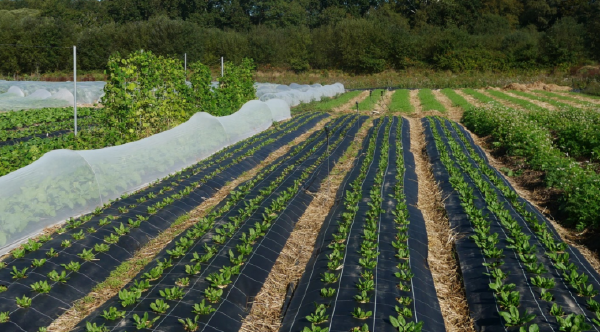
Pesticides
- Direct emissions (Scope 1): Fossil fuels used in machinery, internal transport, enteric fermentation (if livestock is present), and emissions from agricultural soils due to the application of nitrogenous fertilizers.
- Indirect emissions (Scope 2): Electricity used in greenhouses, irrigation, cold storage, etc.
- Other indirect emissions (Scope 3): Production and transport of inputs (fertilizers, pesticides, seeds), transport of products to the market, waste management.
Biodiversity
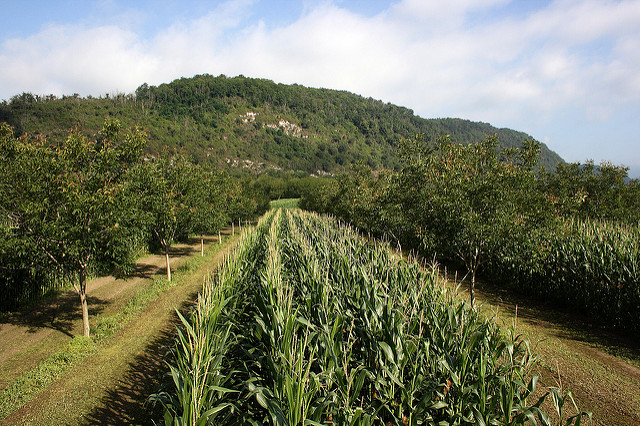
Our teams go into the field to measure the quality of biodiversity on farms. This indicator is composed of four sub-indicators:
Planetary Boundaries
Estimated impact of regenerative farming on the biophysical limits of Álava/Araba, computed as part of the CROPS4LIFE project (NEIKER, 2025). Select a scenario to see how each planetary boundary usage varies relative to the per-capita allowed threshold. Values above 100% indicate the planetary boundary is exceeded.